
Official Import Rules
Cuba's current veterinary framework is Decree-Law 127/2026 and Ministry of Agriculture Resolution 165/2026. Domestic cats must be vaccinated against rabies and any other diseases specified by the applicable import requirements, and travel with veterinary certification issued in the country of origin.
Official guidance published by the Spanish Embassy in Havana says the certificate should identify the cat by species, breed, name, age, sex, colour and an identifier such as a tag, tattoo or microchip. A microchip is one accepted identifier, not a universal Cuban entry requirement.
Present the cat and certificate to the Agricultural Health Inspection Office (OISA) at an international airport or seaport. Officials check that the animal matches the certificate and is free of external parasites.
Current public official material does not support one universal 15-day certificate validity, a mandatory Havana-only arrival point or a fixed inspection fee for every traveller. Confirm the certificate format, timing, origin-country endorsement and any additional vaccination requirement with CENASA and the official veterinary authority in the departure country before booking.
Cuban law permits supervised home quarantine for cats when directed by animal-health officials.
Free route planner
Turn these rules into your cat's step-by-step plan
Get a free checklist, timeline and cost estimate built around this destination.
Medical Roadmap
Microchip recommended (not mandatory for Cuba entry)
Keep rabies vaccination current and confirm any additional vaccine requirements
Obtain veterinary certification through the origin-country authority
Confirm certificate timing, format and endorsement with CENASA
Present the cat and original certificate to OISA at the international port of entry
Complete document, identity and external-parasite checks on arrival
Follow any supervised home-quarantine instructions issued by animal-health officials
Preparation Checklist
2 months before
1 month before
Before travel
Travel day
Cost Breakdown
Quarantine Information
Cuban law permits supervised home quarantine for cats when directed by animal-health officials. Confirm the current duration and local follow-up arrangements with CENASA.
City & Housing Tips
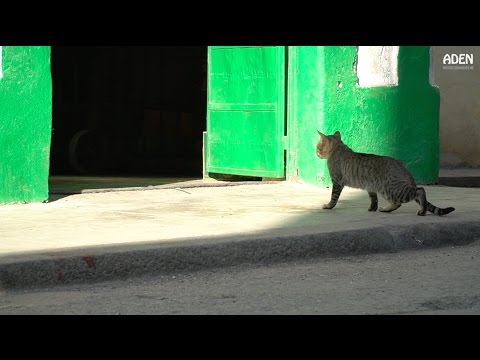
Havana (Vedado, Miramar, Playa) is the main destination. Cuba has a visible street cat population and cats are generally well-treated. Vet care is available but medications can be scarce due to supply shortages. Bring a supply of essential medications.
Vets & Common Parasites
Basic vet care available in Havana. Cuba has trained veterinarians but chronic supply shortages mean medications, vaccines, and surgical supplies can be difficult to obtain. Bring flea/tick prevention, any regular medications, and a basic first-aid kit from your home country.
Find Vets in CubaExit Rules — Leaving Cuba
Exit requires a health certificate from an IMV-approved vet and an export permit. Processing takes 3–5 working days. Apply at the IMV office in Havana.
Frequently Asked Questions
Yes, if you have a valid reason to travel to Cuba under OFAC regulations. The pet import process itself is straightforward.
Absolutely. Cuba has chronic shortages of veterinary medications and supplies. Bring flea/tick prevention, any prescription medications, and basic first-aid supplies.
Generally yes. Indoor cats are recommended. Havana has a large community cat population that coexists peacefully with residents.
Community Tips
Start the paperwork at least 4–6 months before your travel date. Airline pet policies change frequently — always confirm directly with your carrier close to departure.
Have you moved to Cuba with your cat? Share your experience and help other travellers.
CatAbroad Editorial
Researched by cat lovers with real international relocation experience. Checked against official government sources and updated regularly. Found an error? Let us know.