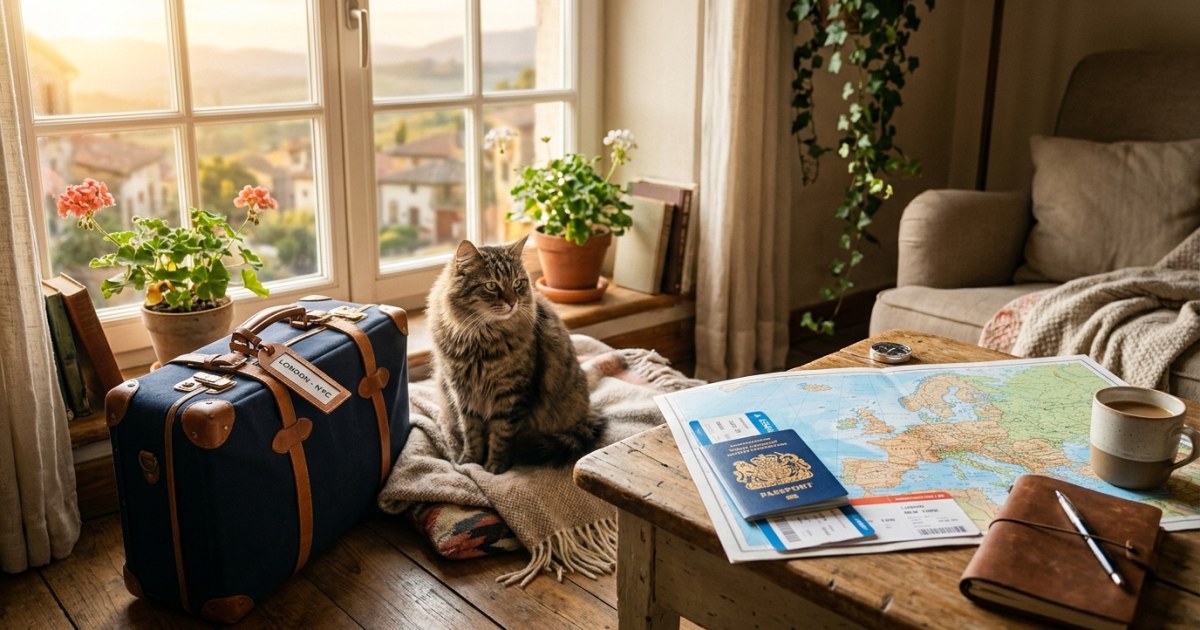
Moving to New Zealand with a cat is one of the most complex pet relocations in the world — the country's island biosecurity system is among the strictest on the planet, and even a single missed step can result in your cat being refused entry or facing extended quarantine at your expense. The good news is that it is absolutely achievable from the UK, provided you start planning at least six months in advance and follow the Ministry for Primary Industries (MPI) process to the letter. This guide walks you through every requirement, timeline, cost, and practical consideration so you and your cat can arrive in New Zealand ready to settle in.
WHY NEW ZEALAND HAS SUCH STRICT CAT IMPORT RULES
New Zealand is famously protective of its natural environment. As an island nation that evolved in isolation for millions of years, it has unique flora and fauna found nowhere else on Earth — and almost none of its native wildlife evolved alongside mammalian predators. Introduced species, including domestic cats and their diseases, pose a significant ecological and biosecurity risk. As a result, the Ministry for Primary Industries (MPI) operates one of the most rigorous animal import regimes in the world, and cats are firmly within scope.
The primary concern from a health perspective is rabies. New Zealand is rabies-free, and it intends to stay that way. Every cat arriving from a non-rabies-free country — which includes the United Kingdom — must demonstrate, through a specific sequence of vaccinations and blood tests, that it poses no risk of introducing the virus. Beyond rabies, MPI also requires treatment against a range of internal and external parasites, and the documentation requirements are meticulous and time-sensitive.
Good to Know
The UK is classified by MPI as a Group 2 country for cat imports — meaning rabies vaccination and a successful blood titre test are mandatory before travel. There is no shortcut or exemption for UK-based cats, regardless of how long they have been vaccinated.
Unlike moving a cat within the EU or to certain Commonwealth nations, there is no simplified or expedited pathway for UK cats entering New Zealand. The full process applies regardless of breed, age, or vaccination history prior to beginning the official MPI sequence. This means even if your cat has been vaccinated against rabies for years, the clock only starts ticking once you begin the officially prescribed steps.
See our full guide here.
KEY REQUIREMENTS AT A GLANCE: WHAT NEW ZEALAND DEMANDS
NZ Cat Import Requirements — UK Origin
| Microchip | ISO 15-digit microchip implanted before any vaccinations |
| Rabies Vaccination | At least two vaccinations — primary course or booster with valid documentation |
| Rabies Titre Test (RNATT) | Blood test showing ≥0.5 IU/ml; taken minimum 30 days after vaccination |
| Waiting Period After Titre | Minimum 180 days after a passing titre result before departure |
| MPI Import Permit | Must be obtained from MPI before travel — no permit, no entry |
| Parasite Treatments | Tapeworm, roundworm, heartworm, fleas, and ticks treated within specified windows |
| Health Certificate | Issued by an Official Veterinarian (OV) within 10 days of departure |
| Quarantine on Arrival | Minimum 10 days at an MPI-approved facility (longer if any issue with documentation) |
| Approved Airlines | Only airlines and routes approved by MPI accepted; cats travel as manifest cargo |
Every single one of these requirements has a specific sequencing rule — some must happen before others, and some have tightly defined windows. Failing to follow the sequence correctly means starting from scratch, which is why working with an experienced pet relocation specialist is strongly recommended for this destination in particular.
THE STEP-BY-STEP TIMELINE: PLANNING YOUR CAT'S MOVE FROM THE UK

Because of the mandatory 180-day wait after a passing titre test, the absolute minimum preparation time from the UK is approximately six to seven months — but realistically, allowing nine to twelve months gives you breathing room for vet appointment delays, titre test results, and permit processing. Here is how to sequence everything correctly.
Step 1 — Microchipping (if not already done): Your cat must have an ISO-compliant 15-digit microchip implanted before any rabies vaccination is recorded. If your cat is already microchipped, confirm it is ISO 11784/11785 compliant and that the chip number is correctly recorded in all vet records. The microchip must be readable throughout the process and on arrival in New Zealand.
Step 2 — Rabies vaccination: Once microchipped, your cat needs a valid rabies vaccination. If this is a primary course, two vaccinations are required with a gap as specified by the manufacturer. If your cat has previously been vaccinated and is within its booster window, a single booster may suffice — but check with your vet and confirm MPI's current requirements, as these are periodically updated. The vaccination date and batch number must be recorded accurately in your cat's passport or health records.
Warning
If your cat's microchip was implanted after a rabies vaccination, MPI may not recognise that vaccination as valid. The microchip must always come first. Restarting the rabies vaccination sequence will add months to your timeline.
Step 3 — Rabies Neutralising Antibody Titre Test (RNATT): At least 30 days after the qualifying rabies vaccination, your vet will draw blood for the titre test. This blood sample must be sent to an EU-approved laboratory — the most common UK option is the APHA Weybridge laboratory. The test checks whether your cat has developed sufficient immunity (a result of ≥0.5 IU/ml is required). Results typically take one to three weeks to come back.
Step 4 — The 180-day wait: This is the longest part of the process and cannot be shortened under any circumstances. The 180-day countdown begins from the date of the passing blood test — not the date the results are received. Your cat must remain in a country with equivalent or higher biosecurity standards during this period. Since you are in the UK, this condition is automatically satisfied.
Pro Tip
Use the 180-day waiting period productively. This is the ideal time to apply for your MPI import permit, book and confirm your quarantine facility, arrange airline cargo bookings, and source an MPI-approved travel crate. Leaving these until the wait is over will push your travel date back further.
Step 5 — Apply for the MPI Import Permit: You must apply for an import permit through the MPI Biosecurity New Zealand website before your cat travels. This is a legal requirement and there is a fee involved. The permit specifies the conditions of entry, the approved quarantine facility, and the timeframe within which travel must occur. Applications are processed by MPI and can take several weeks, so do not leave this until the last minute.
Step 6 — Parasite treatments: Within specified timeframes before departure, your cat must receive treatments for tapeworm, roundworm, heartworm, fleas, and ticks. Each treatment has its own timing window relative to the date of travel, and these must be administered by a registered vet and recorded precisely. The exact products and timing are specified in MPI's import health standard — confirm the current version with your vet or relocation agent as requirements do change.
Step 7 — Official Veterinarian health certificate: Within 10 days of departure, an Official Veterinarian (OV) — a vet registered with APHA in the UK — must examine your cat, confirm it is fit to travel, and issue a New Zealand-specific health certificate. This document must be completed in English, signed and stamped by the OV, and must reference your import permit number and all preceding tests and treatments. Any error on this document can result in your cat being refused boarding or facing extended quarantine.
Step 8 — Travel day and quarantine on arrival: Your cat will fly as manifest air cargo — not as cabin baggage or checked baggage. On arrival in New Zealand, your cat will be taken directly to an MPI-approved quarantine facility. With all paperwork in order, the standard quarantine period is 10 days. If there are any documentation issues, this can be extended significantly, with costs borne by the owner.
UNDERSTANDING THE MPI IMPORT PERMIT AND HOW TO APPLY

The MPI import permit is the legal authorisation that allows your cat to enter New Zealand, and without one, no airline will accept your cat as cargo. The permit is issued by Biosecurity New Zealand, which is part of the Ministry for Primary Industries, and it specifies precisely which quarantine facility your cat must be sent to, the conditions of entry, and the validity period for travel.
How to apply: Applications are made through the MPI Biosecurity New Zealand online portal. You will need to provide details about your cat (microchip number, species, breed, age), the country of origin, your proposed travel dates, and the contact details of the quarantine facility you intend to use. You will also need to pay an application fee at the time of submission — this fee is non-refundable regardless of the outcome.
Processing time: MPI typically takes two to four weeks to process permit applications, though this can be longer during busy periods. Apply as soon as you have your passing titre test result — you do not need to wait until the 180 days have elapsed to submit your permit application.
Good to Know
MPI import permits for cats from Group 2 countries are valid for a specific travel window. If your plans change and you miss that window, you will need to apply for a new permit and pay the fee again. Always allow extra time either side of your planned travel date when selecting your window.
The Import Health Standard (IHS): The legal basis for all the requirements described in this guide is the MPI Import Health Standard for cats and dogs from Group 2 countries. This document is publicly available on the MPI website and is updated periodically. Always check you are working from the current version, and ideally have your vet or relocation agent do so as well. Any step that does not comply with the current IHS can invalidate your documentation.
QUARANTINE IN NEW ZEALAND: WHAT TO EXPECT AND HOW TO BOOK
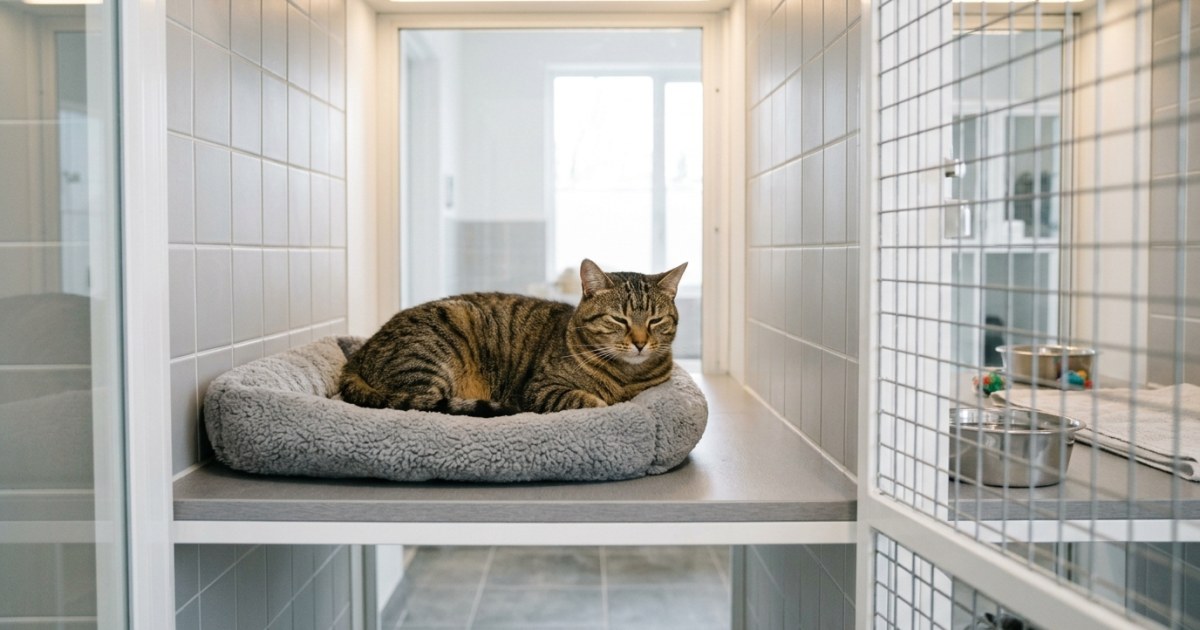
All cats entering New Zealand must spend a minimum of 10 days in an MPI-approved quarantine facility on arrival. This is non-negotiable and applies to every cat, regardless of its vaccination history, health status, or the length of time it has been on the MPI programme. The quarantine period begins on the day of arrival and ends after MPI inspectors are satisfied that all conditions have been met.
Approved facilities: MPI maintains a list of approved quarantine facilities, and your import permit will specify which facility your cat must attend. At the time of writing, there are approved facilities in Auckland and one or two other locations — Auckland is the most commonly used, as the majority of international cargo flights land there. You must book your place at an approved facility before you travel and provide the facility's details on your import permit application.
What the facility provides: Approved quarantine facilities are purpose-built for the welfare of animals in isolation. Your cat will have a private enclosure, veterinary oversight, daily care, feeding, and enrichment. You will not be permitted to visit your cat during the quarantine period — this is a biosecurity rule, not a welfare one — but most facilities provide regular updates and some offer photo updates on request.
Pro Tip
Book your quarantine facility as early as possible — ideally as soon as you have your passing titre result. Space at approved facilities, particularly in Auckland, can fill up weeks or months in advance, especially during peak relocation seasons (summer and early autumn).
Quarantine costs: Quarantine is charged on a per-day basis and costs vary between facilities. As a rough guide, expect to pay between NZD $100 and $150 per day, meaning a 10-day stay could cost NZD $1,000–$1,500 (approximately £480–£720 at current exchange rates). If documentation issues extend the quarantine period, costs increase accordingly and are entirely the owner's responsibility. This reinforces the importance of getting paperwork absolutely right before travel.
What can extend quarantine: Any discrepancy in your documentation — an incorrect date, a missing signature, a parasite treatment given outside the prescribed window, or a health certificate issued more than 10 days before departure — can result in your cat being held for additional inspection or treatment. In the worst case, your cat could be returned to the UK at your expense. This is not a scare tactic; MPI enforces its rules without exception.
Warning
Never attempt to travel to New Zealand with your cat without a confirmed quarantine booking and a valid import permit. Airlines are required to check these documents before accepting your cat as cargo, and MPI border officers will reject any animal without the correct paperwork — there is no on-the-spot remedy.
FLYING YOUR CAT TO NEW ZEALAND: AIRLINES, CARGO, AND TRAVEL CRATES
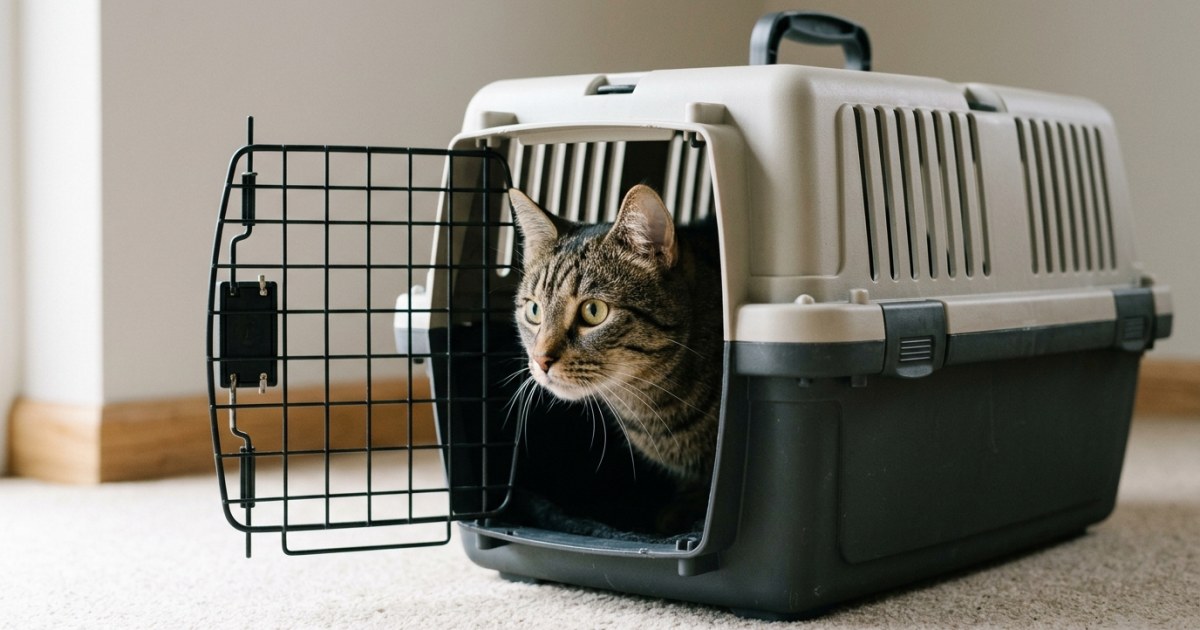
Cats cannot travel in the cabin on flights to New Zealand — the journey is too long, and MPI requires all imported animals to travel as manifest air cargo. This means your cat will be loaded into the aircraft hold in an approved travel crate, handled by cargo staff rather than cabin crew, and processed through an animal cargo facility on arrival. While this sounds daunting, experienced cargo handlers do this routinely and the welfare standards for live animal cargo are governed by IATA Live Animals Regulations.
Which airlines fly cats to New Zealand as cargo: Not every airline has the facilities or the MPI approval to carry live animal cargo to New Zealand. At the time of writing, airlines commonly used for this route from the UK include Air New Zealand (which operates its own cargo division) and Cathay Pacific via Hong Kong. Your pet relocation agent will be able to advise on the best routing for your cat based on current availability, stopovers, and transit conditions. Avoid routing your cat through countries with high disease risk unless MPI explicitly permits the transit.
Good to Know
Direct flights from the UK to New Zealand do not exist — all routes involve at least one stopover. MPI has specific rules about where transit can occur. Ensure any layover is in an MPI-approved transit country and that your airline can confirm the chain of custody for your cat throughout the journey.
IATA-approved travel crates: Your cat must travel in an IATA-compliant travel crate that meets specific size requirements — your cat must be able to stand, turn around, and lie down naturally. The crate must be labelled with your cat's name, your contact details, feeding instructions, and the import permit number. Familiarise your cat with the crate weeks before travel; a cat that is comfortable in its crate will be far less stressed during the journey.
Journey length and welfare: From the UK, the total journey time to New Zealand — including transit — is typically between 24 and 30 hours or more. This is a long time for any animal. Your vet can advise on whether a mild sedative or calming supplement is appropriate for your cat; however, MPI and most airlines do not recommend or permit sedation for air travel due to the risks at altitude. Ensure your cat has water available via a drip-bottle attached to the crate door, and that the crate is lined with absorbent bedding.
Pro Tip
Place a worn item of your clothing — a T-shirt or small blanket — inside the crate. Your scent provides significant comfort to your cat during a long and stressful journey and can reduce anxiety-related stress behaviours during transit and quarantine.
Pet relocation agents: Given the complexity of this route, many UK cat owners choose to use a specialist pet relocation agent to manage the cargo booking, documentation coordination, and quarantine booking on their behalf. Companies such as Airpets International, Dogtainers, and others with New Zealand experience can handle the end-to-end logistics. This adds cost but substantially reduces the risk of a documentation error derailing the move. If you choose to manage the process yourself, triple-check every document before it leaves your hands.
HOW MUCH DOES IT COST TO MOVE A CAT TO NEW ZEALAND FROM THE UK
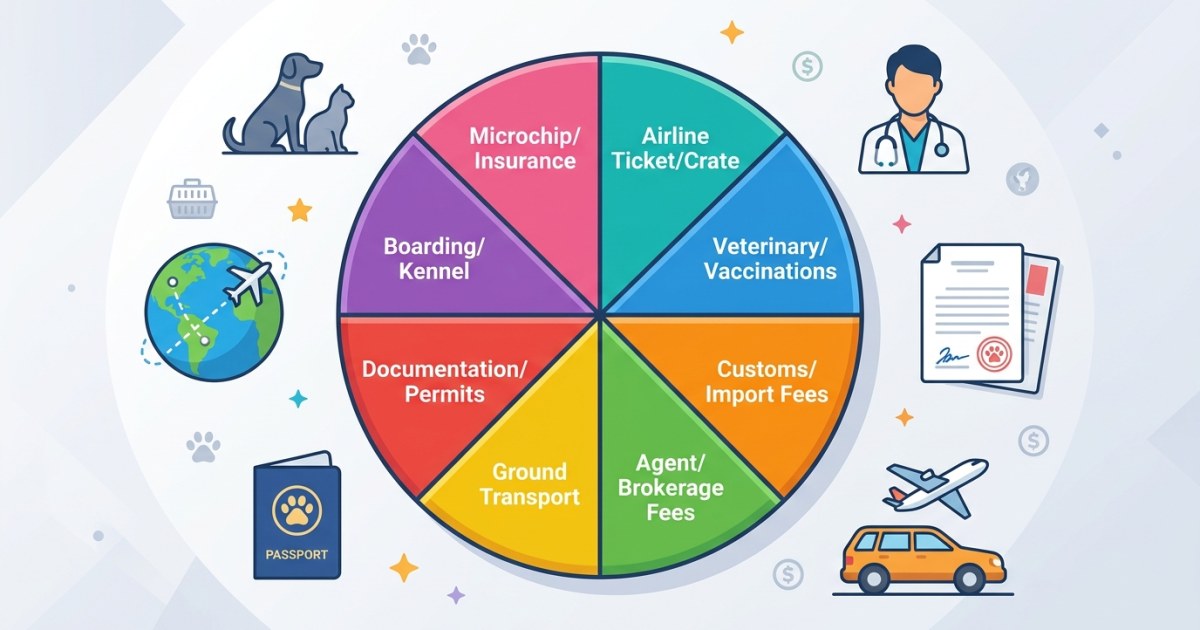
Moving a cat to New Zealand is genuinely expensive — there is no way around this. The combination of veterinary procedures, laboratory tests, permits, cargo fees, and quarantine costs adds up quickly, and it is important to budget realistically from the outset. The figures below are approximate and based on typical UK-to-NZ relocations at the time of writing; actual costs will vary depending on your cat's size, weight, your chosen airline, and whether you use a relocation agent.
Estimated Costs — UK Cat to New Zealand
| Microchipping (if not done) | £20–£40 |
| Rabies vaccination course | £50–£120 |
| Rabies titre test (RNATT) + lab fees | £150–£250 |
| Parasite treatments (vet administered) | £80–£150 |
| Official Veterinarian health certificate | £100–£200 |
| MPI import permit fee | Approx. NZD $270 (~£130) |
| IATA-approved travel crate | £60–£200 |
| Airline cargo fees (UK to NZ) | £700–£1,500+ |
| Quarantine (10 days, NZD ~$100–150/day) | £480–£720 |
| Pet relocation agent (optional) | £500–£1,200 |
| Estimated Total | £1,800–£4,500+ |
Pet travel insurance for the journey itself is also worth considering, and some specialist insurers offer policies that cover quarantine extension costs and emergency veterinary care during transit. Given the investment already made in getting to this point, the additional premium for insurance is usually well worth it.
Pro Tip
Get itemised quotes from at least two pet relocation agents and compare them carefully. Some agents include quarantine booking and airport handling in their fee; others charge these separately. Always confirm exactly what is and is not included before committing.
SPECIAL CONSIDERATIONS: SENIOR CATS, FLAT-FACED BREEDS, AND ANXIOUS CATS
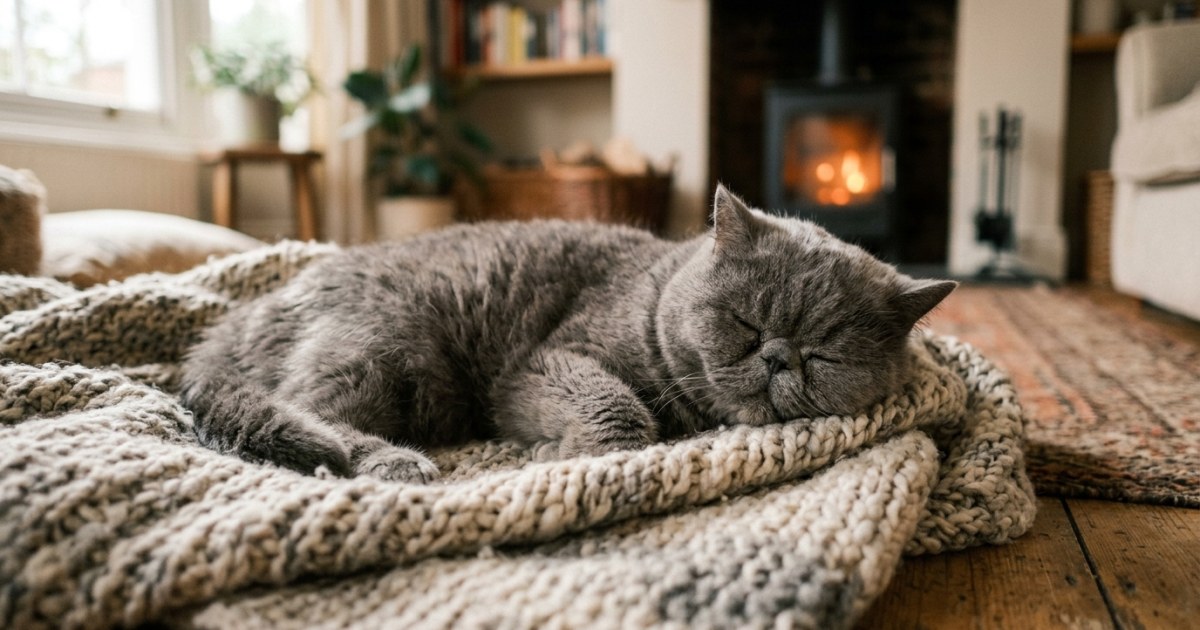
Not every cat is equally well-suited to a 25-plus hour journey as cargo, and it is important to have an honest conversation with your vet about whether the move is in your individual cat's best interests. That said, with careful planning, most cats — including older ones — can make the journey safely.
Senior cats: Cats over the age of 10 should have a thorough health check before beginning the MPI process. Your vet will want to assess kidney function, cardiac health, and general condition. A senior cat that is otherwise healthy can make the journey, but the stress of travel and quarantine may be harder for them to recover from than for a younger cat. Your vet may recommend additional health monitoring in the weeks following the move.
Brachycephalic (flat-faced) breeds: Breeds such as Persians and Exotic Shorthairs are at significantly higher risk during air travel due to their respiratory anatomy. Some airlines refuse to carry brachycephalic cats as cargo at all, particularly on long-haul routes, and those that do accept them may require a veterinary fitness-to-fly certificate in addition to the standard health documentation. Always check your chosen airline's policy on brachycephalic breeds well in advance.
Warning
New Zealand does not permit the import of cats that have been declared dangerous or feral. Cats must be domesticated and socialised enough to be handled by quarantine staff. MPI can refuse entry to cats deemed unmanageable, so if your cat is particularly fearful or aggressive, discuss this with your vet and relocation agent before committing to the move.
Anxious cats: If your cat is particularly anxious or has a history of stress-related illness, speak to your vet about a pre-travel behaviour plan. This might include pheromone diffusers and sprays (such as Feliway), gradual crate acclimatisation starting months before travel, and in some cases, a prescription anxiolytic medication. Note that while sedation is generally discouraged for air travel, some vets prescribe gabapentin as a mild anxiolytic that is considered safer at altitude than traditional sedatives — discuss the options fully with your vet.
AFTER QUARANTINE: SETTLING YOUR CAT INTO NEW ZEALAND LIFE
After 10 days in quarantine, your cat will be released to you — and the relief of being reunited will likely be mutual. However, the journey and the quarantine period will have been stressful for your cat, and the adjustment to a completely new environment adds another layer of change. A thoughtful settling-in process will help your cat feel secure and recover more quickly.
The first few days at home: Set up a quiet, enclosed room before your cat arrives — ideally one that is familiar in scent (unpack some of your belongings there first). Provide familiar bedding, litter trays, food and water, and let your cat explore at their own pace. Do not introduce your cat to the whole house immediately; give them a base from which to expand their territory gradually over days and weeks.
Registering with a New Zealand vet: Register with a local vet as soon as possible after arrival. Bring copies of all your cat's health records, including the titre test results and vaccination history, so the new vet has a complete picture. New Zealand has its own vaccination schedule recommendations, and your vet will advise on what boosters or additional vaccines may be appropriate for the local environment.
Good to Know
New Zealand has a national cat microchip register — the New Zealand Companion Animal Register (NZCAR). Once settled, consider registering your cat's microchip on this database so that if your cat is ever lost, local vets and shelters can quickly reunite you. Some councils in New Zealand also require cats to be registered locally.
Outdoor access: New Zealand has strong feelings about free-roaming cats — the country's native wildlife is extremely vulnerable to predation, and there is a significant movement advocating for cats to be kept indoors or in enclosed outdoor spaces. Some councils have cat curfews or confinement bylaws, so check your local council's rules before allowing your cat outdoor access. Many expat cat owners in New Zealand opt for a cat-proof garden enclosure ('catio') as a compromise that gives their cat outdoor enrichment without the ecological impact.
Ongoing vaccinations: Ensure you keep your cat's rabies vaccination up to date in New Zealand, even though the country is rabies-free. This is particularly important if you ever plan to move on to another country or return to the UK — a lapsed vaccination will mean restarting the titre test process from scratch.
YOUR COMPLETE MOVING CHECKLIST: UK CAT TO NEW ZEALAND
Use this master checklist to track your progress through the process. Tick off each item as it is completed and keep copies of all documentation in both digital and physical form.
📋 6–12 Months Before Travel
- ☐Confirm cat has ISO-compliant 15-digit microchip implanted
- ☐Administer qualifying rabies vaccination (with microchip recorded first)
- ☐Wait minimum 30 days post-vaccination then take blood for RNATT titre test
- ☐Send blood sample to approved EU laboratory (e.g. APHA Weybridge)
- ☐Confirm titre result of ≥0.5 IU/ml — note exact date of blood draw (180-day wait begins here)
- ☐Download current MPI Import Health Standard from MPI website
- ☐Apply for MPI import permit through Biosecurity New Zealand portal
- ☐Book place at MPI-approved quarantine facility in New Zealand
- ☐Research and contact pet relocation agents if using one
📋 4–8 Weeks Before Travel
- ☐Confirm 180 days have elapsed since passing titre test date
- ☐Book airline cargo space on MPI-approved airline and route
- ☐Purchase IATA-approved travel crate and begin crate training
- ☐Check rabies booster is still within valid window for travel date
- ☐Confirm all parasite treatment timing windows with your vet
- ☐Receive MPI import permit and keep on file
📋 1–2 Weeks Before Travel
- ☐Administer all required parasite treatments within MPI-specified windows
- ☐Book appointment with Official Veterinarian (OV) for health certificate
- ☐Attend OV appointment within 10 days of departure — receive signed health certificate
- ☐Check all documents: permit, health certificate, titre result, vaccination records, parasite treatment records
- ☐Label travel crate with cat's name, your contact details, feeding instructions, permit number
- ☐Make digital copies of all documents and email to yourself and a trusted contact
- ☐Prepare settling-in room at your NZ home (or arrange for someone to do so)
- ☐Confirm all details with airline cargo department and quarantine facility
Frequently Asked Questions
How long does it take to move a cat from the UK to New Zealand?
The process takes a minimum of six to seven months from the UK, due to the mandatory 180-day wait after a passing rabies titre test. In practice, most owners allow nine to twelve months to account for vet appointments, titre test processing time, permit applications, and cargo booking lead times.
Do cats have to go into quarantine when entering New Zealand?
Yes, all cats entering New Zealand must spend a minimum of 10 days in an MPI-approved quarantine facility regardless of their vaccination history or health status. If there are any documentation issues on arrival, quarantine can be extended significantly at the owner's expense.
Can I bring my cat to New Zealand in the cabin of the plane?
No — cats cannot travel in the cabin on flights to New Zealand. All cats must travel as manifest air cargo in an IATA-approved travel crate. No airline operating on this route permits cats in the cabin, and MPI requires all imported animals to be transported as cargo.
How much does the rabies titre test cost in the UK?
The rabies neutralising antibody titre test (RNATT) typically costs between £150 and £250 in the UK when you include the vet's blood draw fee and the laboratory analysis fee. The APHA Weybridge laboratory is the most commonly used approved lab for this test in the UK.
What happens if my cat fails the rabies titre test?
If your cat's titre result is below the required 0.5 IU/ml, your vet will typically recommend a booster vaccination followed by a further wait of at least 30 days before retesting. The 180-day countdown only begins from the date of a passing result, so a failed test delays your overall timeline accordingly.
Can flat-faced cats like Persians fly to New Zealand?
Brachycephalic cats such as Persians and Exotic Shorthairs face additional risks during long-haul air travel due to their respiratory anatomy, and some airlines refuse to carry them. If you have a flat-faced breed, check your chosen airline's specific policy well in advance and discuss fitness to travel with your vet before beginning the MPI process.
Do I need a pet relocation agent to move my cat to New Zealand?
You are not legally required to use a pet relocation agent, but given the complexity of the MPI requirements and the serious consequences of a documentation error, many owners find the investment worthwhile. An experienced agent will manage cargo bookings, document coordination, and quarantine booking, significantly reducing the risk of a costly mistake.
Can cats go outside freely in New Zealand after arrival?
Many New Zealand councils have cat curfews or confinement bylaws due to the country's vulnerable native wildlife, and there is a strong community expectation that cats be kept indoors or in enclosed outdoor spaces. Check your local council's rules before allowing your cat outdoors, and consider a cat enclosure as a responsible alternative to free roaming.